
Menu
Close

To provide the best experience, we use technologies like cookies to store and/or access device information. Consenting to these technologies will allow us to provide data such as browsing behaviour or unique IDs on this site. Not consenting or withdrawing consent may adversely affect certain features and functions.
Allow AllAtmen automates and derisks certification workflows across renewable fuels, from real-time supply chain data to auditable product claims.
Bring clarity and control to your certification journey, whether you are working in green hydrogen, e-methane, ammonia, biomethane, HVO or SAF.
It’s a challenge for business developers selling a green premium, engineers calibrating supply chains, procurement teams optimising the intake of the right feedstocks, and supply chain managers integrating regulatory constraints into their daily workflows.
With 30+ industrial supply chains already onboarded, Atmen combines frontier technology with deep regulatory expertise to help you stay ahead in a fast-moving certification landscape.


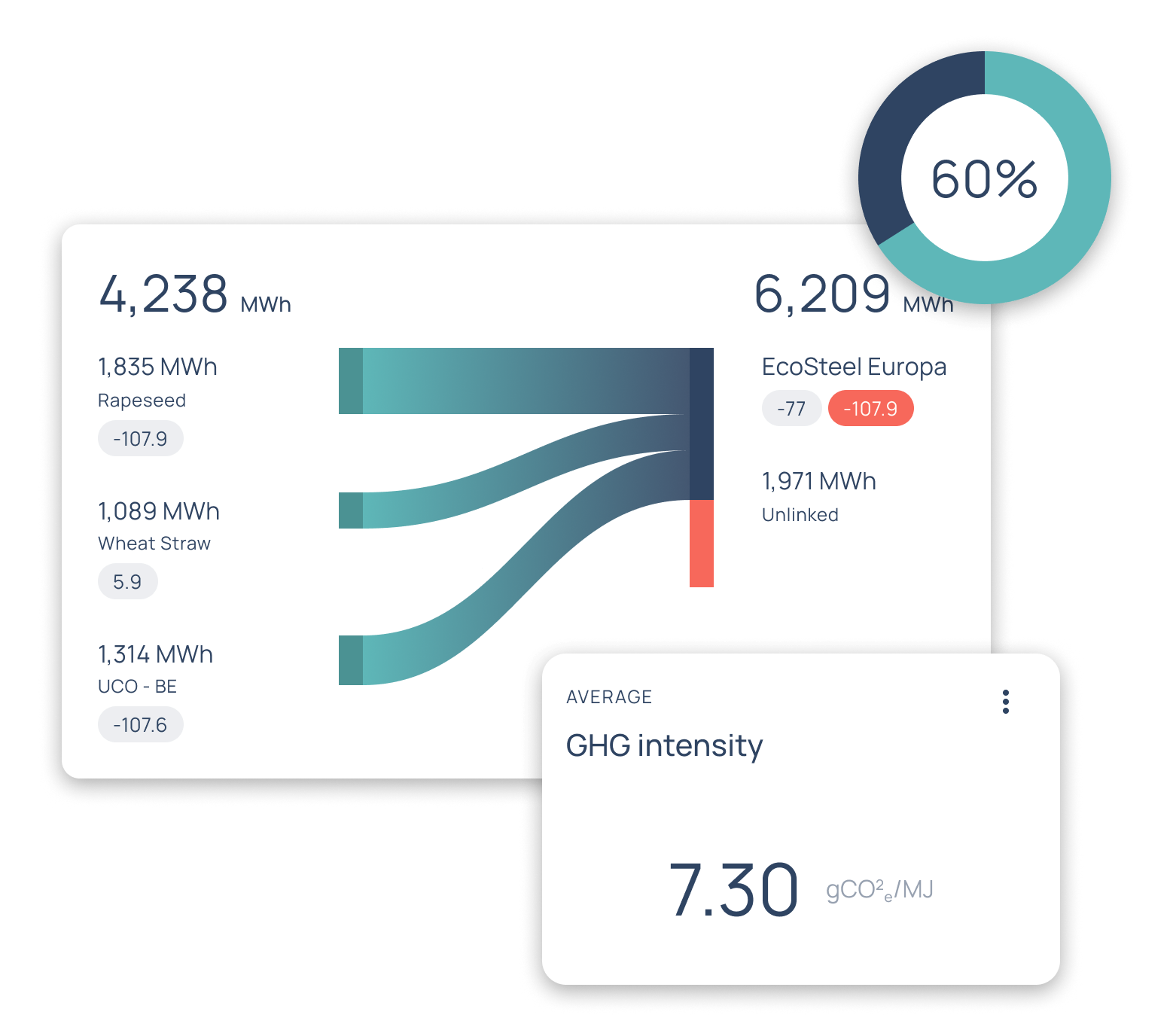
Think of Atmen as the technology layer on top of operational supply chains, enabling continuous compliance and streamlining the official sustainability certification workflows. At scale and across borders.
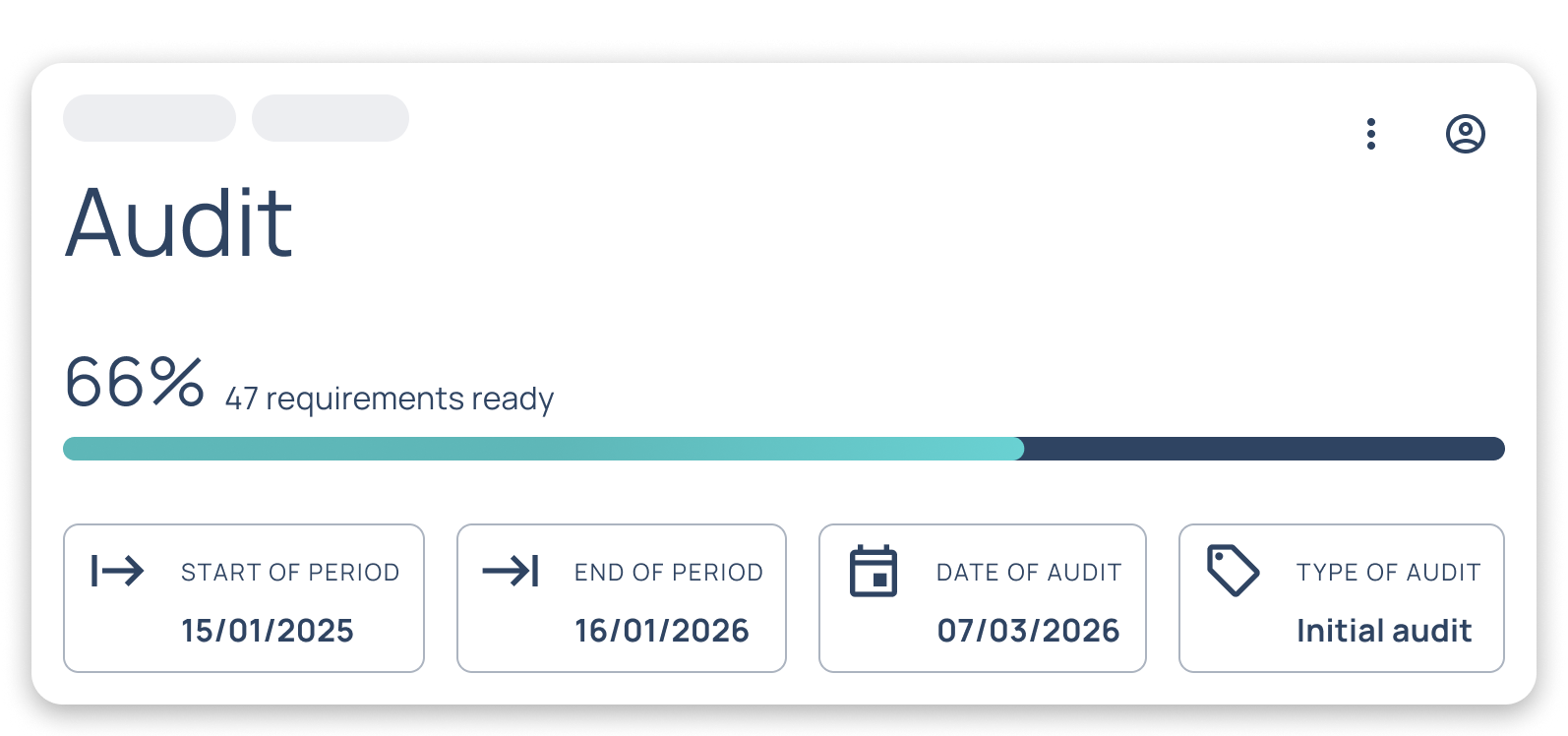
You can manage your entire audit preparation directly in Atmen's platform. This feature helps you collect documents, reconcile data, and generate audit-ready reports, with checklists and reminders based on your certification scheme. Invite external auditors, share granular data, and automatically generate key evidence like mass balances and sustainability proofs.
Atmen is built for teams where compliance can't be an afterthought.
Roles for admins, operators, viewers, POS issuers and auditors, assigned per organisation. People see and act on what their role covers, and nothing more.
Evidence and controls carry an explicit status through the audit cycle, set by the auditor who reviews them. You can always see what has been validated and what is still waiting.
We connect Atmen to your IdP for enterprise deployments, using SAML 2.0 or OIDC. Available on request, set up with our team as part of onboarding.
Your data sits in Frankfurt by default. If your regulator or your policy requires a different region, we deploy a dedicated instance there.
ISO 27001 certified · Encrypted in transit (TLS 1.2+) · Atmen Solutions GmbH
See our certificate and policies →Auditability is the backbone of Atmen: a traceable, defensible record behind every claim a producer issues.
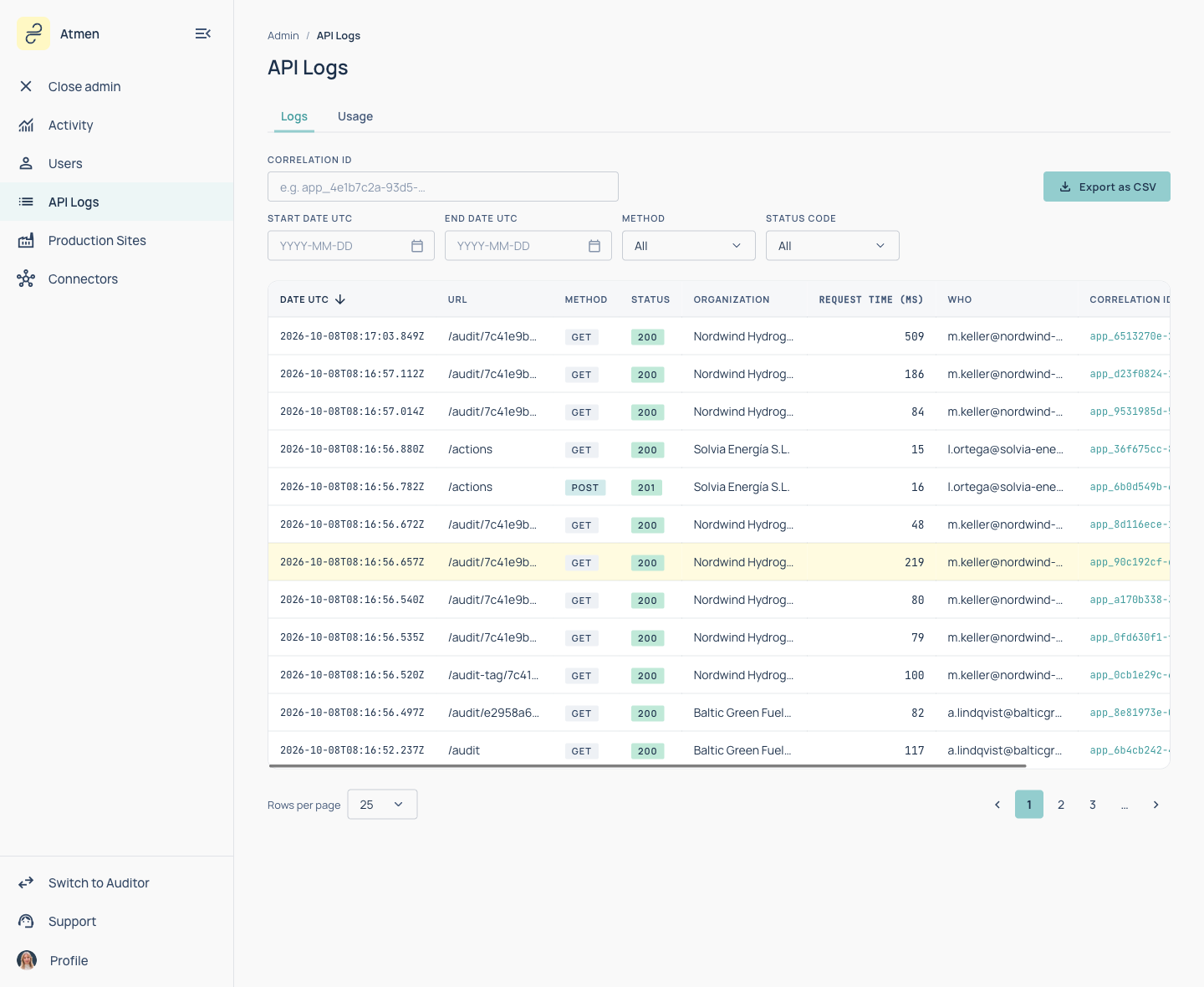
Every user action is logged in the backend as it happens, with the account and timestamp behind it.
Invite external auditors to access granular, auditable data remotely and track audit progress in real time.
Activity logs, evidence and audit controls can be exported as CSV, Excel or zip files, ready to hand to your auditors.
ACTIVITY LOG
Saved yearly by our customers
Primary data coverage of key ingredients within first 3 months





(Munich, March 10, 2026) Last week, Germany took a significant step toward closing remaining gaps in renewable fuel regulation. The Bundestag held the first reading of the Second Law on the Development of the Greenhouse Gas Reduction Quota, which will transpose RED III into national law and, for the first time, introduce explicit quotas for green hydrogen and e-fuels in the transport sector.
While most of Europe works toward RED III compliance, industrial offtakers are already demanding certified molecules as regulatory deadlines near. Siemens, Atmen, and TURN2X, all based in Munich, have developed the first end-to-end model for RED III-ready renewable gas production, from automated plant operations to certified product delivery. The plant of the future is already running at TURN2X's first commercial e-methane plant in Miajadas, Spain.
TURN2X produces climate-neutral e-methane by combining green hydrogen with biogenic CO₂. The company plans to scale this model across Europe, aiming to cover 10 percent of Germany’s gas demand by 2031. Miajadas demonstrates the commercial viability of this pathway, with 100 percent of its renewable gas output sold under long-term off-take agreements.
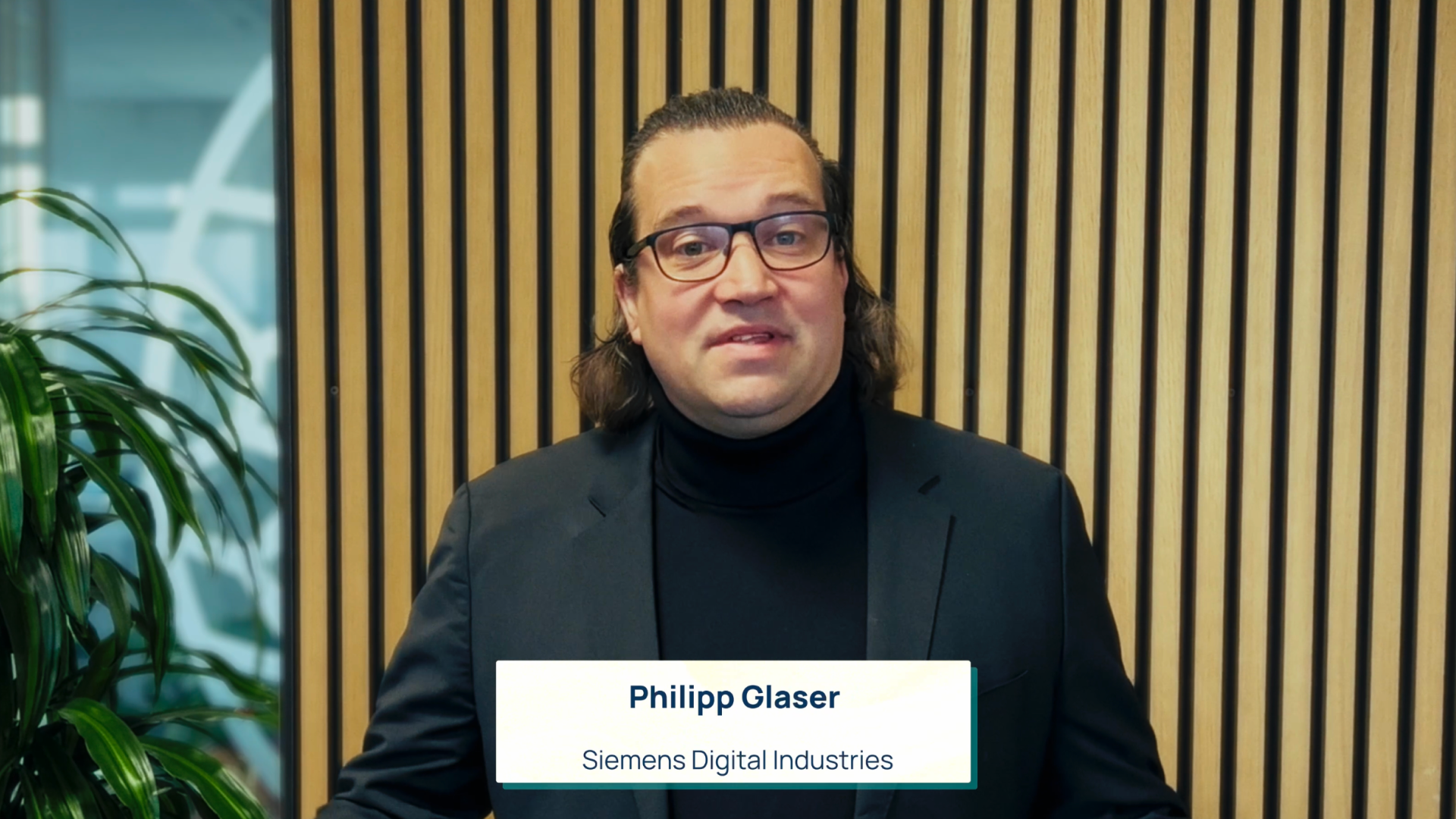
Siemens provides the industrial backbone for this model, including advanced automation systems, digital twin technology for remote plant operation, and standardised, secure deployment of future facilities.
Siemens adopts an ecosystem approach, collaborating with leading partners such as Atmen rather than developing every component in-house. “This is exactly how we at Siemens want to go forward in renewable energies,” says Philipp Glaser, Siemens Digital Industries. “We want to partner with the best solutions so our customers get innovation, technology, and speed of implementation.”
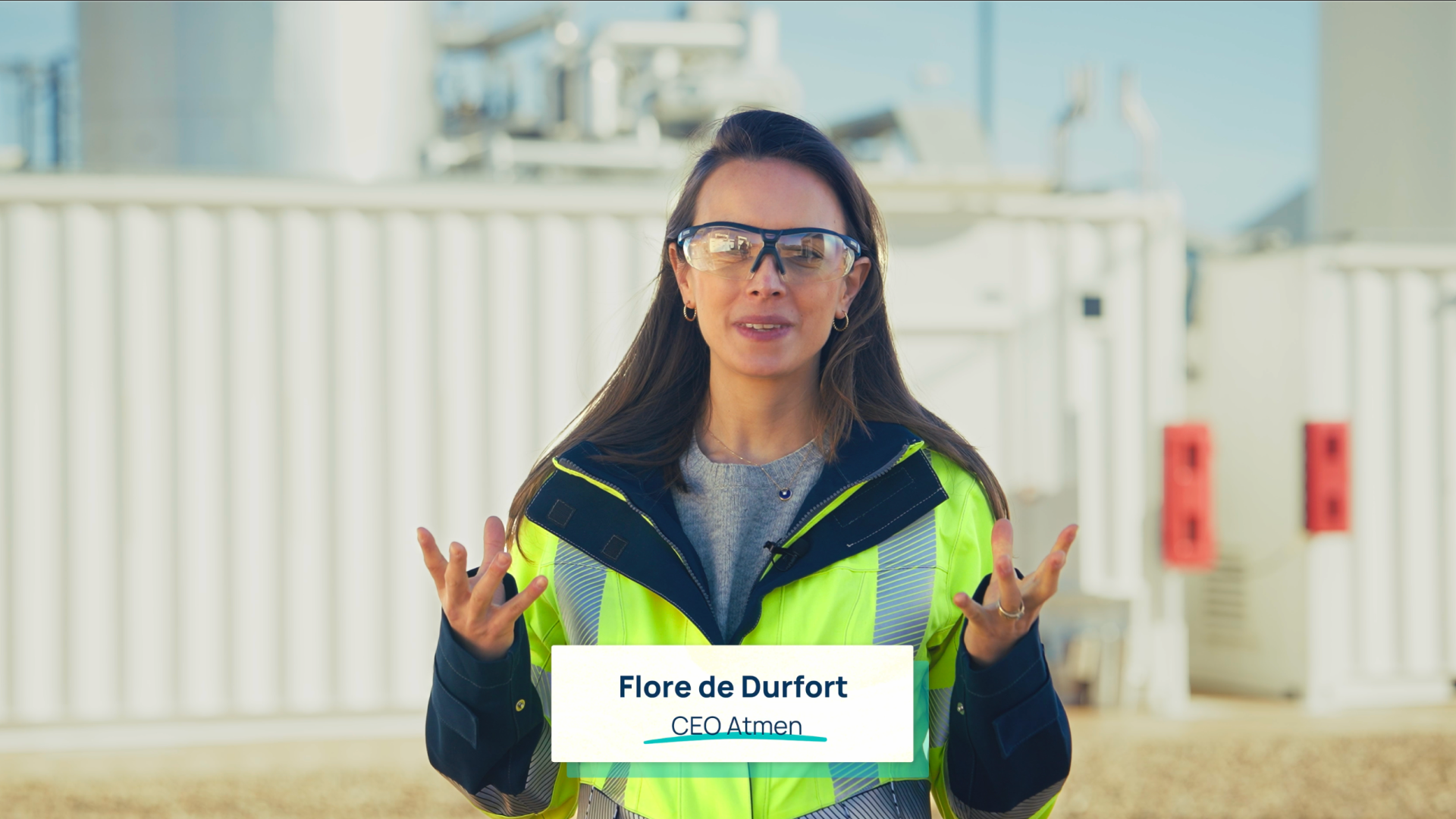
Atmen, a regulatory technology company, provides the certification data layer. At Miajadas, this enabled the site to reach full RFNBO certification, making automated compliance part of day-to-day operations.
“Certification isn’t a nice-to-have; it’s market access and business case realization,” says Flore de Durfort, CEO of Atmen. “Our platform turns operational data into verifiable, auditable proof that keeps production continuously certification-ready so that renewable fuel producers can scale with confidence.”
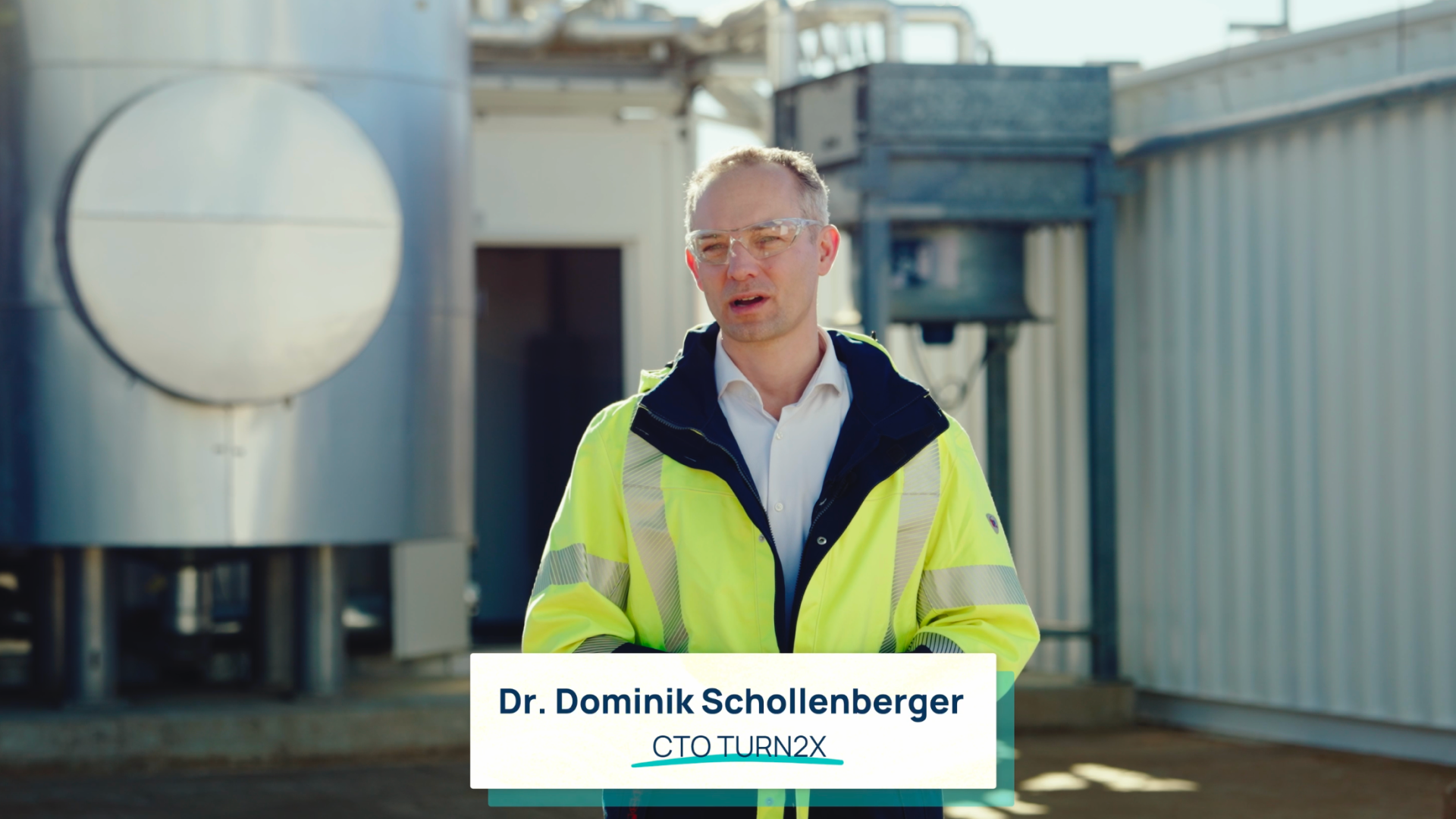
For TURN2X, combining Siemens’ industrial technology with Atmen’s compliance layer creates a blueprint for rapid, reliable expansion.
“Scaling across Europe brings two challenges: maintaining operational excellence and meeting increasingly complex certification requirements for renewable fuels,” says Dr. Dominik Schollenberger, CTO of TURN2X. “The Miajadas plant shows that when intelligent operations and built-in compliance come together, e-methane can scale with the reliability our customers expect.”
The three companies share a single goal: scaling green energy production with intelligence, trust, and speed.
The plant of the future isn’t a vision. It’s running today in Miajadas.
About TURN2X
TURN2X develops and operates projects using its proprietary technology to produce e-methane by combining biogenic CO₂ with green hydrogen. The company focuses on scalable, infrastructure-ready renewable gas solutions that support industrial decarbonization and energy security.
About Siemens
Siemens AG (Berlin and Munich) is a leading technology company focused on industry, infrastructure, mobility, and healthcare. The company’s purpose is to create technology that transforms everyday life for everyone. By combining the real and the digital worlds, Siemens empowers customers to accelerate their digital and sustainability transformations, making factories more efficient, cities more livable, and transportation more sustainable. A leader in industrial AI, Siemens leverages its deep domain know-how to apply AI – including generative AI – to real-world applications, making AI accessible and impactful for customers across diverse industries. Siemens also owns a majority stake in the publicly listed company Siemens Healthineers, a leading global medical technology provider pioneering breakthroughs in healthcare. For everyone. Everywhere. Sustainably. In fiscal 2024, which ended on September 30, 2024, the Siemens Group generated revenue of €75.9 billion and net income of €9.0 billion. As of September 30, 2024, the company employed around 312,000 people worldwide on the basis of continuing operations. Further information is available on the Internet at www.siemens.com.
About Atmen
Atmen (atmen.co) is a regulatory technology company providing the data infrastructure that powers trusted certification of industrial products. Atmen focuses on automating certification and enabling large-scale, verifiable supply chain transparency across energy-intensive industries.
Founded in January 2023 by energy and regulation experts Flore de Durfort, Quentin Cangelosi, and Erika Degoute, Atmen has raised €6.3M to date to build technology that certifies industrial goods, starting with renewable gases.
Headquartered in Munich, the company's platform is deployed across industrial sites in 9 countries, automating certification workflows and enabling verifiable proof of product attributes throughout the supply chain.

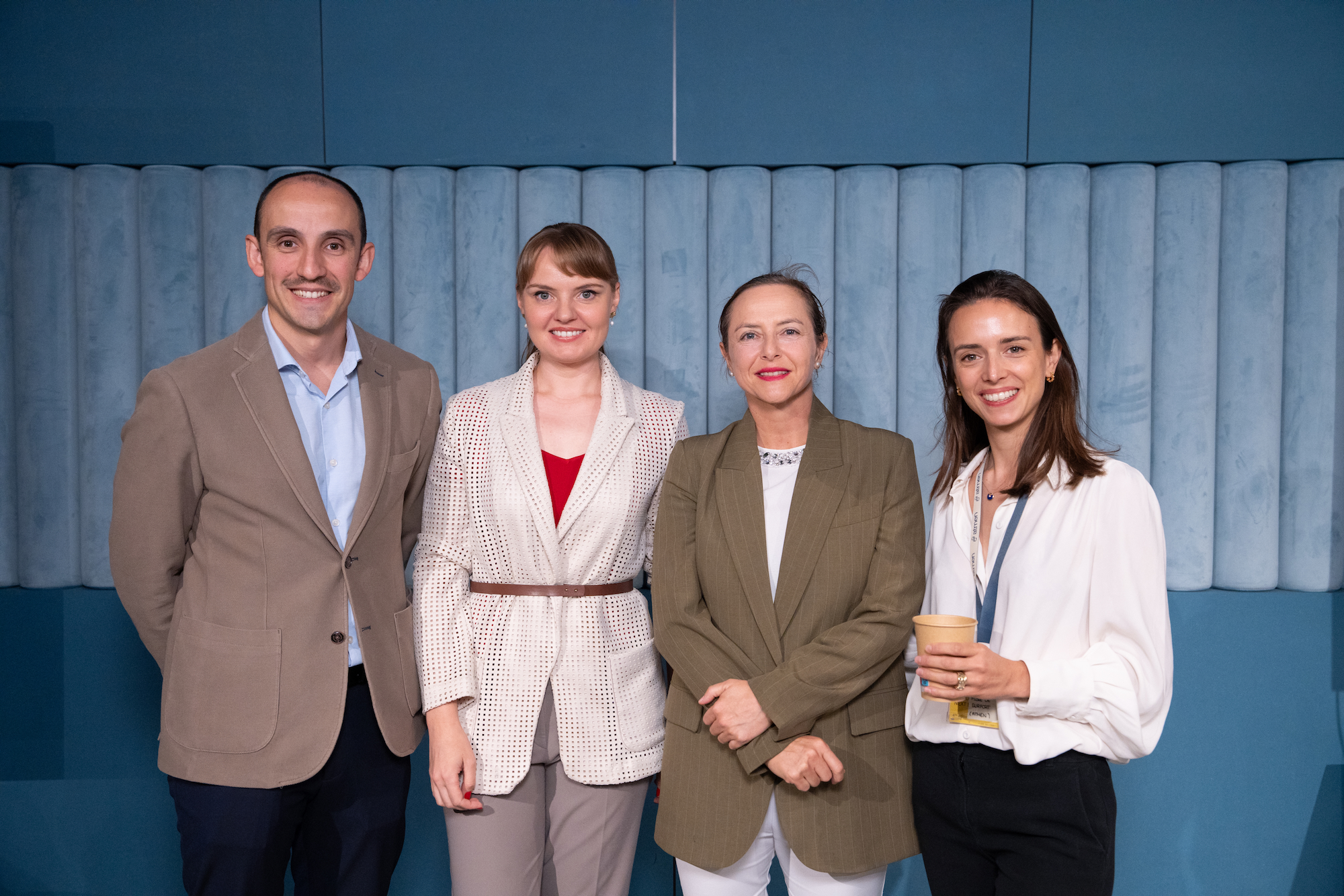
The Green Molecule is Atmen’s breakfast series, created to make room for the conversations that begin when new regulation meets the realities of the market.
A new rule rarely arrives with every answer attached. It sets a direction, but it also poses new questions. What is unique about this set of rules? How will they work in practice? How will they be interpreted?
For Spain’s RED III implementation, one question is particularly pressing: will the framework create the right incentives for supply and demand? And how might its impact differ for hydrogen producers, biomethane operators, fuel suppliers and those responsible for traceability?
The series brings these different perspectives into one room, creating space for an open exchange that moves beyond the legal text.
That openness is at the core of the format. For conversations to be genuinely valuable, people need to feel comfortable speaking openly. That's why The Green Molecule follows the golden Chatham House Rule, allowing insights to be shared without attribution to individuals or organizations. This article follows the same principle, bringing together key takeaways from Madrid while respecting the confidentiality of the discussions.
On 9 October, we brought the series to Madrid for the first time, co-hosted with Moeve, HEYGAZ Biomethane and Enagás, around one central question:
RED III implementation in Spain: what will change in practice over the coming year?
One of the clearest positives to emerge from the discussion was the long-term visibility provided by Royal Decree 611/2026.
The decree establishes annual targets through 2040, including road transport subtargets of 2.5% for RFNBOs and 5.5% for advanced biofuels and biogas by 2030. It also puts greenhouse gas (GHG) emissions reductions at the center of the broader transport framework, rather than relying solely on renewable fuel volumes.
That longer-term outlook comes with some flexibility. Under specific conditions and limits, certain renewable fuels used in other sectors or transport modes can contribute towards meeting relevant obligations.
Yet the regulatory framework is not complete. The draft SICCRE Ministerial Order, covering certificates, reporting and compensatory payments, was still under review at the time of the breakfast.
With Spain’s snap election scheduled for 29 November, participants also expressed concern that political uncertainty could delay the remaining steps needed to put the framework fully into practice.
While the decree provides a clearer long-term direction, the first years of implementation raise a more immediate question: will supply be ready in time?
Spain’s renewable fuel obligations begin increasing in 2027. Yet developing new production facilities and bringing certified fuels to market can take years, potentially leaving a gap between what the framework requires and what projects can realistically deliver.
For RFNBOs, one illustrative calculation shared during the breakfast put cumulative compensatory payments for 2027–2029 at around €1.3 billion, based on a limited set of projects that had reached final investment decision (FID) or were under construction. The figure was not presented as a forecast, but as an illustration of the potential scale of the timing mismatch.
Not everyone interpreted the challenge in the same way. Participants discussed whether Spain’s existing flexibility mechanisms could help bridge the gap, or whether additional measures might be needed.
Behind the numbers, a broader concern emerged: ensuring the early years of implementation support investment in new production capacity, so that rising obligations can be met through actual fuel supply rather than compensatory payments.

Beyond meeting regulatory requirements, certificates could also influence commercial decisions across the renewable fuels value chain.
The draft SICCRE framework outlines different certificate types and mechanisms for meeting obligations. It also proposes compensatory payments of €2,110 per tonne of oil equivalent for advanced biofuels and biogas, and €4,180 per tonne of oil equivalent for RFNBOs (approximately €12/kg of hydrogen). These figures provided a concrete reference point for discussing certificate economics.
But the conversation also turned to who can claim the value of those certificates.
Spain's new sujeto habilitado role allows eligible producers, including certain RFNBO producers, to obtain certificates even when they are not themselves subject to transport obligations.This opens up new possibilities, but also introduces decisions that businesses will need to consider carefully.
For example, when a producer sells through a trader, who is entitled to claim the certificate, and how does that affect the commercial value of the transaction?
It's a good illustration of how a regulatory provision can influence decisions beyond the teams responsible for regulatory requirements.
Certificates are only one part of the equation. The information supporting them also needs to move reliably between producers, traders, suppliers and the systems responsible for verifying regulatory requirements.
SICCRE is intended to cover the renewable fuels value chain and connect with the EU Union Database. For renewable gases, the discussion also explored how sustainability documentation, Guarantees of Origin and information about final consumption will interact.
The goal is a more connected system, but achieving it requires coordination between registries, reliable data and processes that can accommodate cross-border transactions.
For businesses managing multiple fuels or operating across different European markets, keeping that information consistent is crucial.
he discussion reinforced a central point: traceability must be maintained throughout the supply chain, rather than addressed only at the point of certification.
Beyond the technical details, much of the conversation came back to a commercial reality: renewable fuel projects need more than targets; they need a market they can plan around.
The shift towards GHG emissions reductions creates opportunities, particularly for fuels that can demonstrate strong emissions performance. Yet differences in national implementation, evolving EU requirements and questions around how different transport regulations interact still complicate long-term planning.
A leaked impact assessment related to RED IV added to that uncertainty, suggesting a possible shift from binding RFNBO targets to indicative ones. While not a formal legislative proposal, it raised concerns about investment confidence and the certainty needed to secure long-term offtake agreements.
Participants did not agree on every implication, but the importance of predictable demand signals was a recurring theme throughout the discussion.
After all, regulation can help create a market, but businesses still need the confidence to invest in it.

A big thank you to Moeve, HEYGAZ Biomethane and Enagás for co-hosting, to Diego Crespo, Carmen Rodríguez Valdés and María Deryugina for sharing their expertise, and to everyone who joined us and contributed to the conversation.
The conversations in Madrid have already sparked ideas for future topics and locations.
Stay tuned for the next edition!
© Copyright Atmen 2024 and Beyond
Designed By The Sourdough
© Copyright Atmen 2023 and Beyond
Designed By The Sourdough
